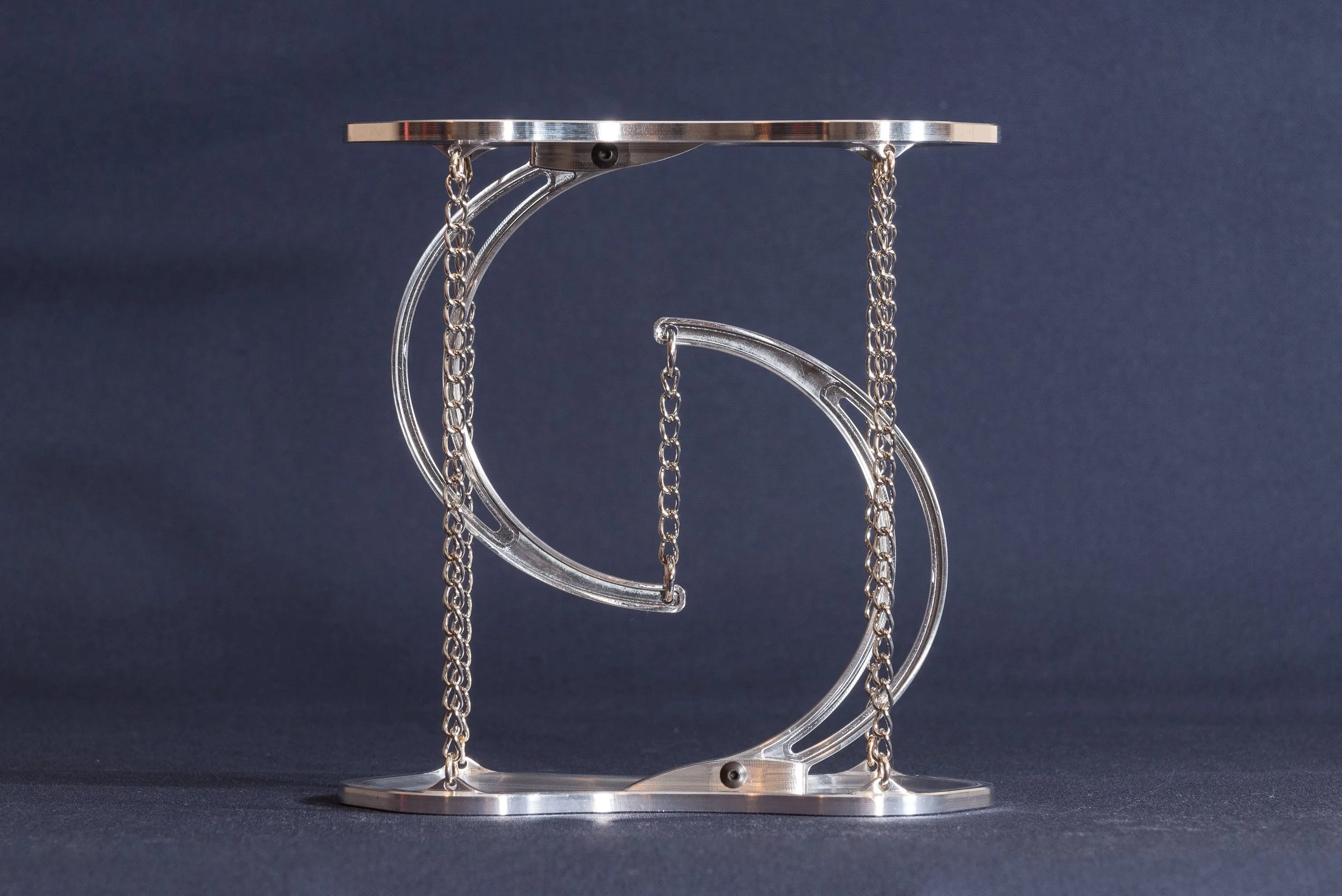
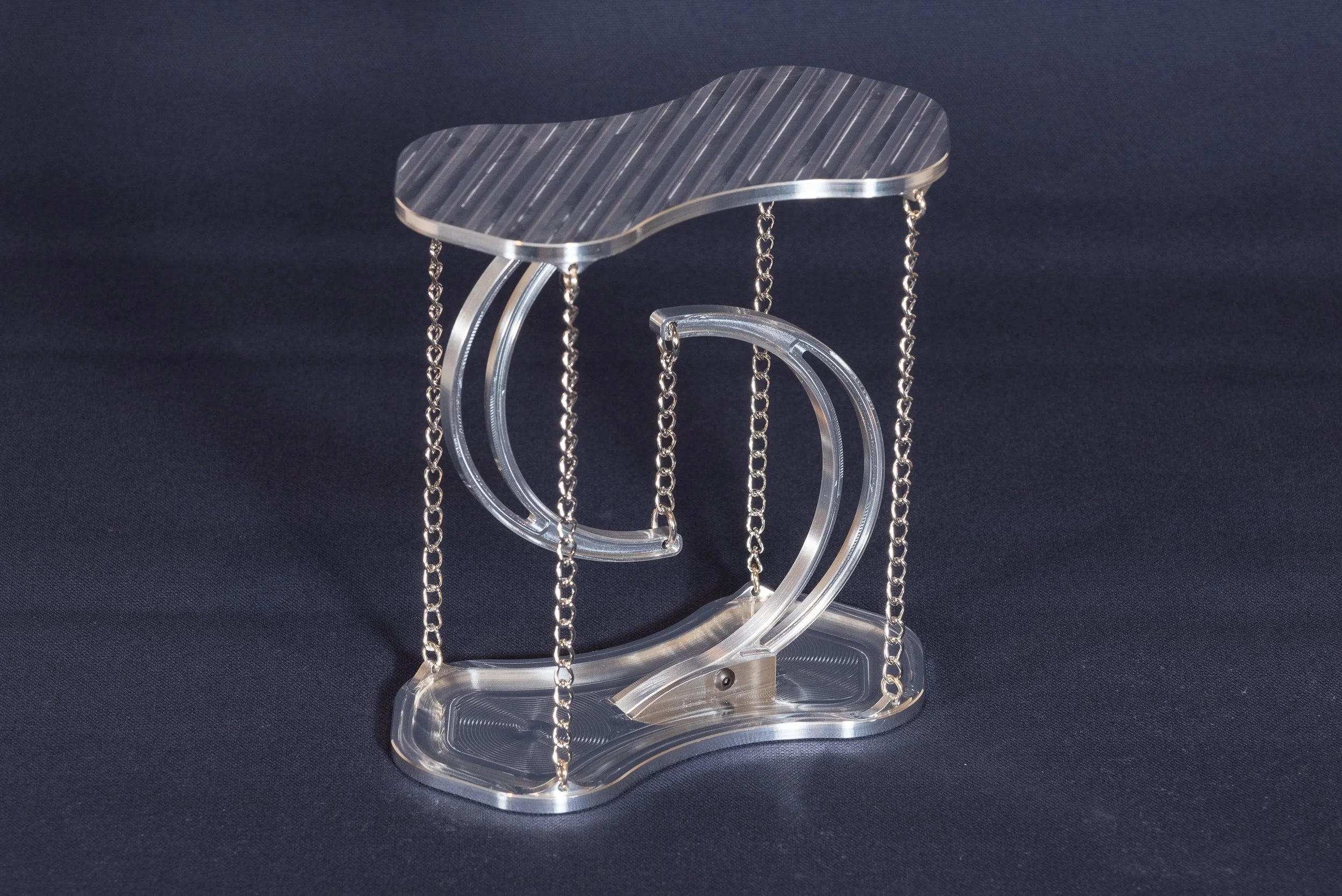
Mastercam Wildest Part Project
Dream it
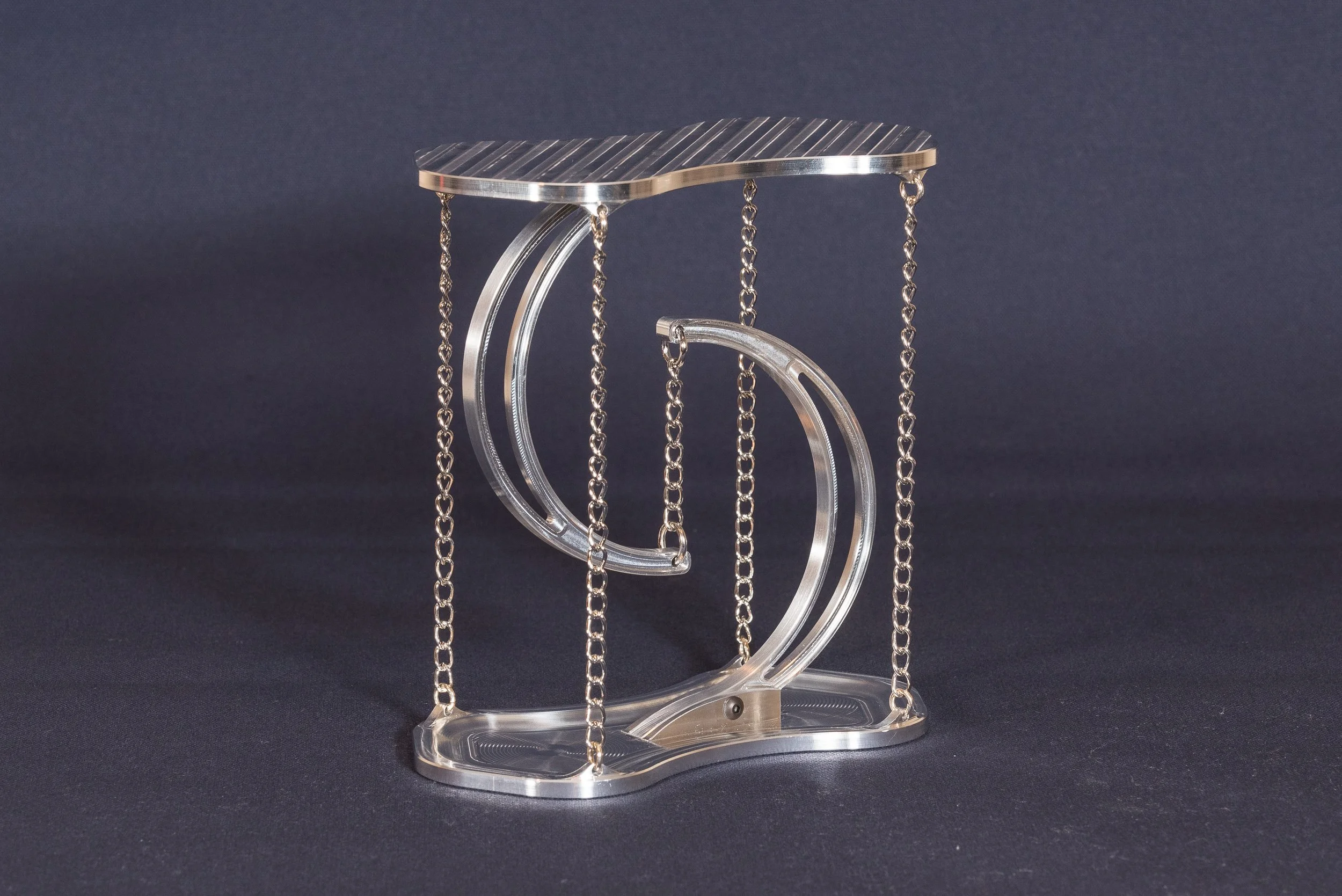
The class was tasked with designing and manufacturing a widget that would be submitted to the 2022 Mastercam Wildest Part Competiton.
The widget needed to be:
Original design
Attention grabbing
An Assembly
Programed in Mastercam
Manufactured utilizing CNC machines available at school
Design
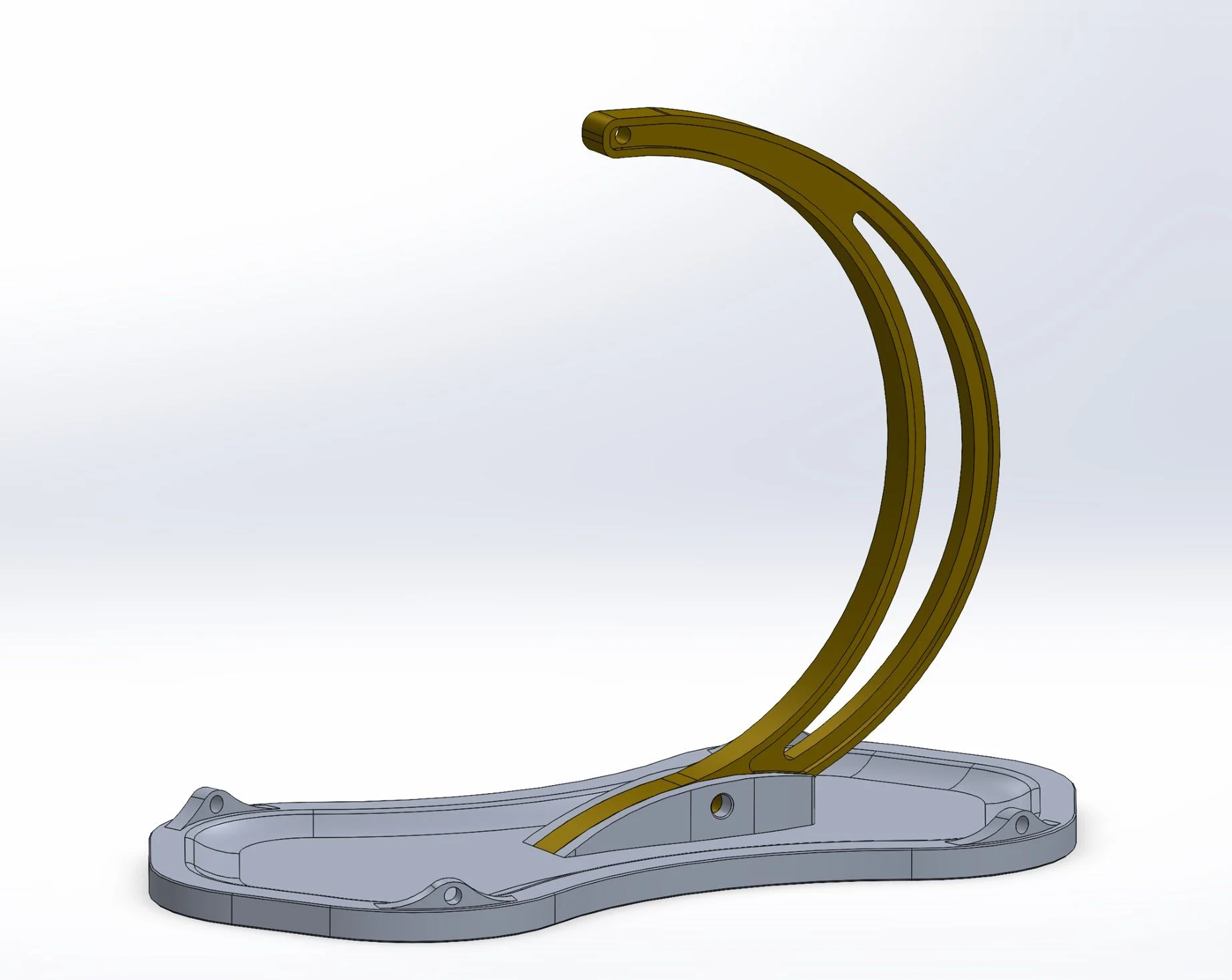
All of the design work for my project was done in Solidworks. This included the individual parts, assembly, indexing templates, as well as the work holding which was necessary to complete the manufacturing process.
Prototyping
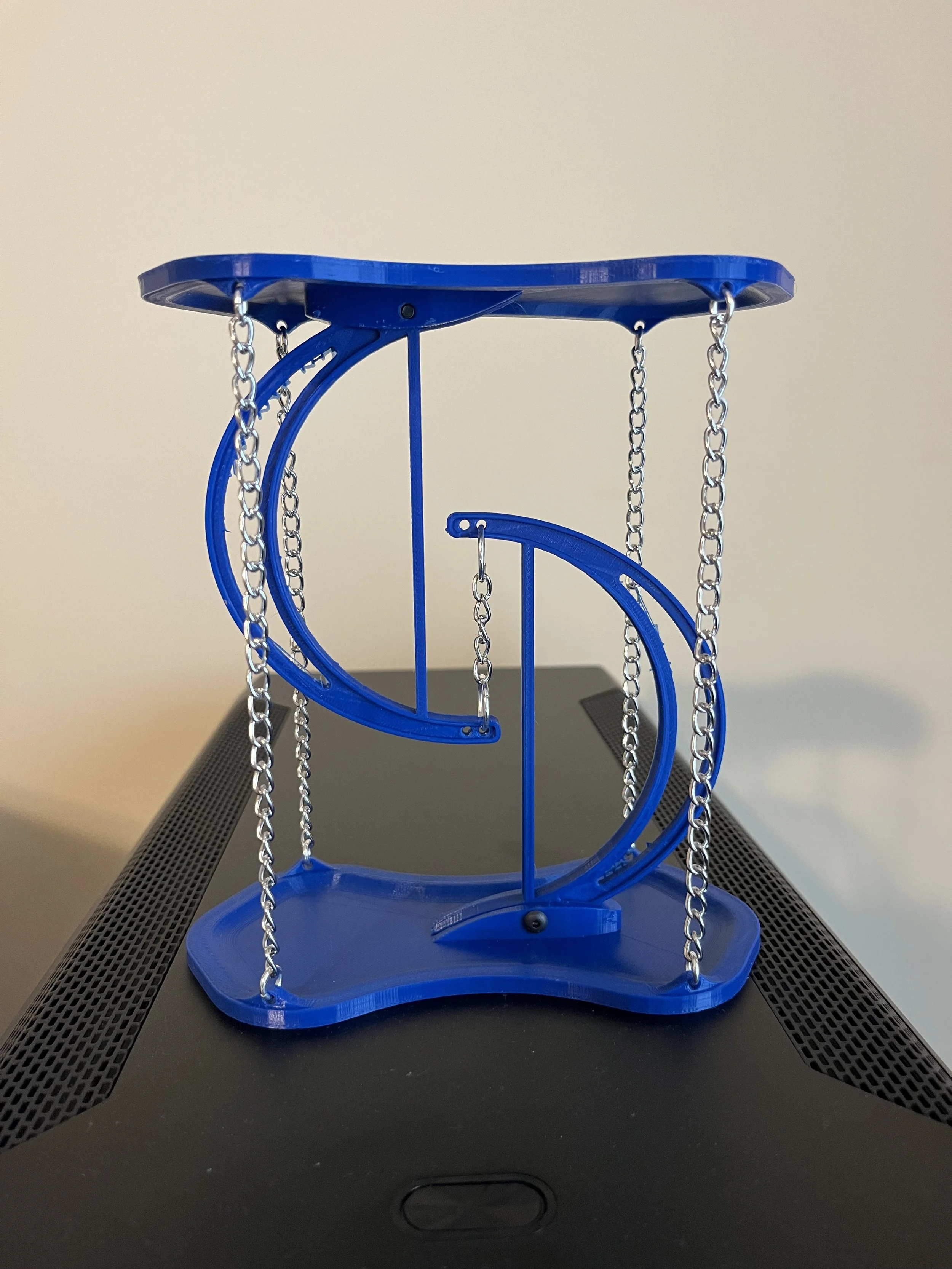
To verify size and fit, and to fine tune the design, additive manufacturing was used as the primary prototyping tool. The part went through multiple revisions even after the final shape was chosen. Some design changes were necessitated by the manufacturing process, where others were purely cosmetic. As seen in the photograph, additional supports were required to offset the flexibility of the PLA material used for 3D printing.
Programing Toolpaths in Mastercam
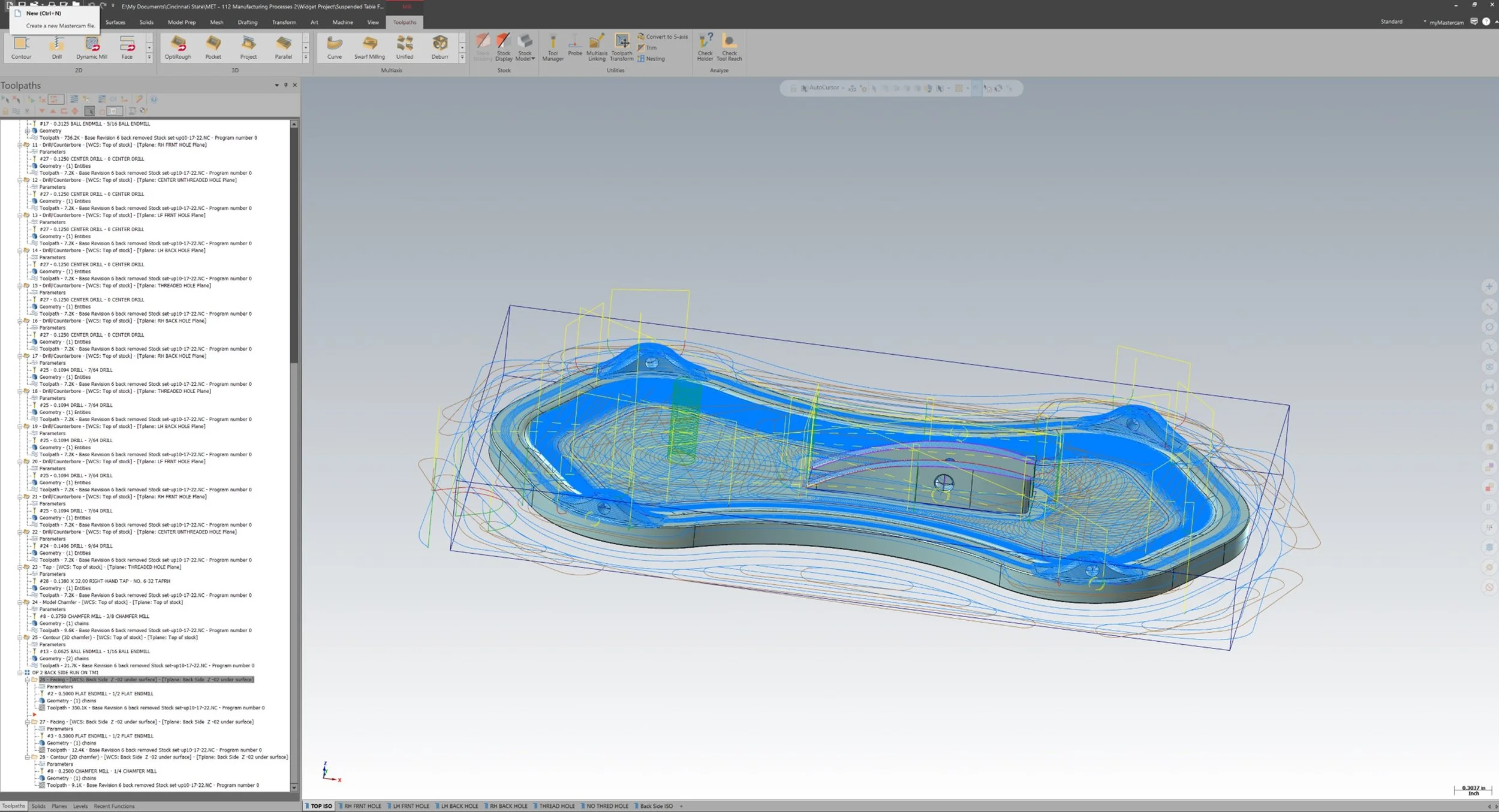
While programming the machining process in Mastercam, I tried to use a wide variety of toolpaths which included: Facing, 2D dynamic milling, 2D and 3D chamfer, 2D dynamic peel milling, 3D equal scallop, 3D Waterline, 3D Raster, 2D contour, drilling, and tapping. The 5th axis license on our machine became active halfway through my project, which meant that if I wanted to use that capability, I had to learn a new skill and re-work the programming of the part. The prospect of using the added functionality was very exciting, and I embraced it the moment it was offered to me.
5-Axis Indexing
Indexing on a 5-axis machine allowed me to significantly speed up the production process as well as increase the accuracy of the part. Even with the use of custom-made work holding, indexing by hand was going to be tedious, slow, and error prone.
Toolpaths Testing in Wax
Since wax is a lot more forgiving than aluminum, the first 3 runs of the part were done in wax. This gave me a chance to get comfortable with the movements of the machine, order and test the special tooling I needed for this project, and fine tune the toolpaths before going to aluminum.
Manufacturing
Production was completed on two CNC machines, with one of them capable of machining on 5-axis. Dovetails were used as the primary material retention mechanism for the first operations of both parts. Overlapping soft jaws were used in the second operation for final material removal.